28 Sep 2026
Visual Cues Driving Reward Pathways in Portable Progressive Reel Systems
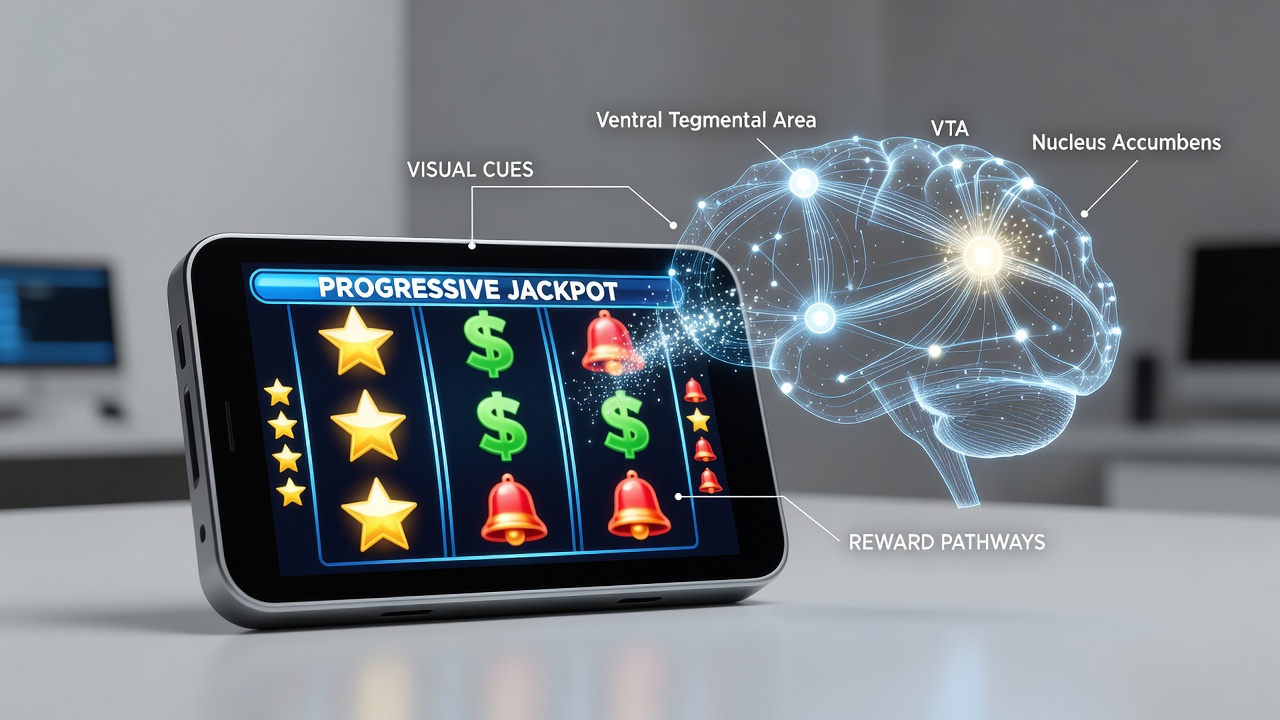
Portable progressive reel systems combine mobile hardware constraints with accumulating jackpot mechanics, and visual cues such as color shifts, particle effects, and meter animations form the primary interface between game logic and player attention. Researchers at institutions studying digital gambling interfaces have documented how these elements activate specific neural responses tied to anticipation and reinforcement cycles. Data from regulatory filings in multiple jurisdictions show that developers integrate these cues to maintain engagement across shorter session lengths typical of handheld play.
Core Components of Visual Design in Mobile Progressives
Reel symbols in these systems often feature layered animations that escalate in intensity as bet multipliers rise, while progressive counters display incremental climbs through synchronized particle bursts and numeric glows. Observers note that such designs draw from established patterns in video game psychology, where motion and luminance changes guide eye tracking toward reward indicators. Studies conducted in controlled environments reveal that players fixate longer on meters when those displays incorporate pulsing borders or color gradients that intensify near threshold points.
Device sensors further influence cue delivery, since accelerometers and touch feedback allow reels to respond with subtle tilts or vibrations that coincide with visual flashes during near-miss sequences. Industry reports from the Alcohol and Gaming Commission of Ontario indicate that titles released in the first half of 2026 incorporated haptic layering with visual meter growth at rates exceeding prior annual averages.
Neural and Behavioral Correlations Observed in Research
Functional imaging work has mapped increased activity in mesolimbic pathways when participants view animated jackpot builds on portable screens, particularly when cues include sequential lighting that travels across the interface. One study released in September 2026 tracked eye movement and skin conductance simultaneously, finding that players exhibited elevated arousal markers during meter acceleration phases compared with static displays. These patterns hold across age groups tested, although session duration varies with screen size and ambient lighting conditions.
Portable formats introduce additional variables because smaller viewports require compressed visual hierarchies, pushing designers to prioritize high-contrast elements and directional motion that funnels attention toward the progressive total. Figures from the Nevada Gaming Control Board quarterly summaries show consistent growth in mobile progressive handle through mid-2026, correlating with titles that refined cue timing to match typical commute-length play intervals.
Implementation Patterns Across Developer Studios
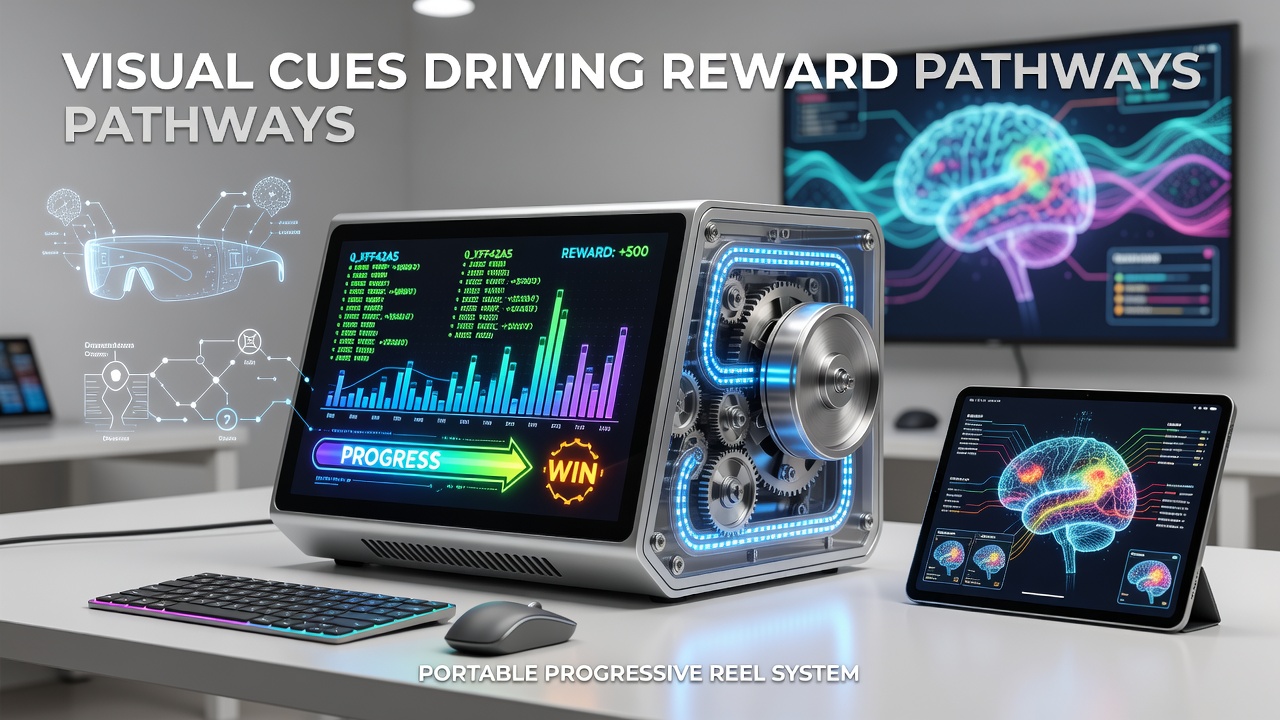
Multiple studios have adopted modular animation frameworks that allow progressive meters to inherit visual properties from base reel symbols, creating continuity when jackpots trigger. This approach reduces cognitive load while reinforcing association between symbol clusters and accumulating value. Data collected from tournament circuits in September 2026 demonstrated that participants in mobile-only brackets responded more frequently to cue sequences featuring radial light expansion than to linear progress bars alone.
Cross-platform testing further shows that adaptive brightness and frame-rate adjustments on mid-tier devices preserve cue salience without draining battery reserves that might interrupt sessions. Those who have examined telemetry logs across studios report that animation loops calibrated to under 800 milliseconds maintain attention without inducing fatigue during repeated spins.
Regulatory and Technical Considerations in Current Deployments
Regulators in several regions now request disclosure of visual cue parameters during certification, particularly when progressive builds incorporate near-miss weighting or escalating audio-visual intensity. Compliance documentation submitted in late 2026 includes frame-by-frame breakdowns of meter animations to verify that no elements exceed established thresholds for misleading reinforcement. Such reviews aim to balance commercial design goals with responsible presentation standards.
Technical constraints on portable hardware also shape cue complexity, since GPU limits on older handsets require fallback rendering paths that preserve core visual hierarchy even when advanced effects are disabled. Developers address this through priority layering that ensures progressive totals and win-line highlights remain visible regardless of device tier.
Conclusion
Visual cues in portable progressive reel systems operate at the intersection of hardware capability, regulatory oversight, and documented patterns of player attention. Research continues to refine understanding of how specific animation parameters influence engagement metrics, while industry data from sources including the Nevada Gaming Control Board and the Alcohol and Gaming Commission of Ontario provide ongoing benchmarks for performance across markets. As device capabilities advance and session analytics grow more granular, these systems will likely incorporate further refinements to cue delivery that align with measured behavioral responses.