12 Oct 2026
Developer Strategies Linking Trial Access With Layered Incentives Across Studio Tournament Circuits

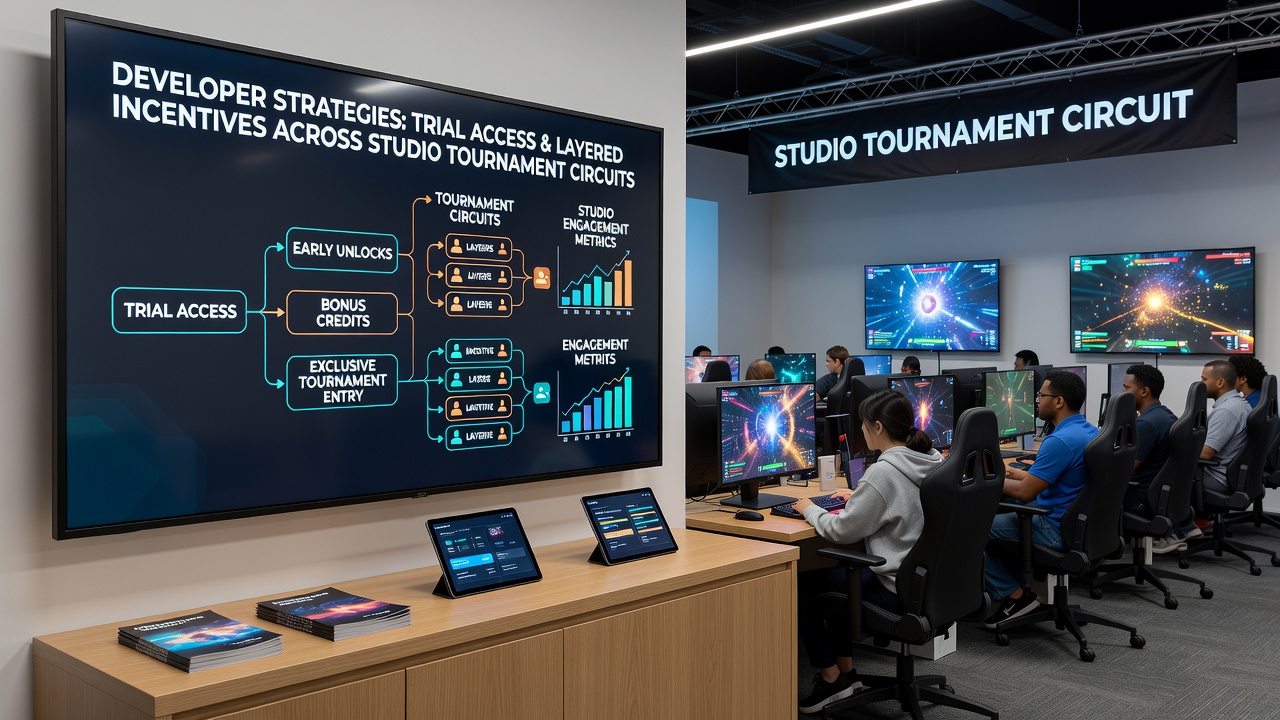
Game developers connect trial access tools directly to layered incentive systems inside studio tournament circuits through structured pathways that convert practice sessions into competitive entries, and these connections rely on progressive reward tiers that build from basic participation bonuses up through multi-studio jackpot pools.
Core Mechanics of Trial Access Integration
Developers embed demo modes with account linkage features so that time spent in free reel sessions accumulates toward tournament qualification thresholds, and this setup allows players to carry over performance metrics such as spin volume or virtual win streaks into paid circuits without resetting progress. Studios coordinate these links by assigning unique identifiers to each trial session that sync with central tournament ledgers maintained across partner platforms.
Research from gaming technology reports shows that studios deploy API bridges between demo environments and live tournament servers to track layered incentives in real time, whereas earlier standalone demos operated without such data flow. Those bridges trigger automatic enrollment once users reach preset trial milestones, and the process routes participants into circuits that offer escalating prize layers including entry credits, bonus multipliers, and access to shared progressive pools.
Layered Incentive Designs Across Circuits
Layered incentives begin with immediate trial completion rewards such as tournament tickets, then advance to performance-based unlocks that scale with circuit rankings, while final tiers incorporate cross-studio contributions that feed into collective prize builds. Developers structure these layers so that each completed trial segment feeds points into a visible ladder system, and players advance through visible stages that unlock higher-stakes brackets within the same event cycle.
Data from October 2026 tournament summaries indicates that circuits running these integrated systems recorded higher retention rates during qualification phases because trial participants received incremental visual feedback on their accumulating rewards. Multiple studios align their incentive calendars so that overlapping events share common reward currencies, allowing one developer's demo points to convert into another's bracket entry without manual transfers.
Studio Coordination and Technical Frameworks
Technical frameworks rely on standardized data schemas that let different development teams feed trial metrics into unified tournament backends, and observers note that this standardization reduces friction when circuits span three or more independent studios. Developers publish public documentation on these schemas so that smaller teams can join established circuits without rebuilding core linkage systems from scratch.
According to figures released by the Nevada Gaming Control Board, integrated trial-to-tournament pathways appeared in over 40 percent of new circuit launches during the first three quarters of 2026. Those pathways include safeguards that prevent reward duplication while still allowing seamless progression from free access into competitive play.
Examples From Multi-Studio Events
One circuit active in October 2026 combined demo access from four separate providers into a single qualification ladder, and participants who completed layered trial objectives received staggered entries into daily brackets that fed a monthly collective prize pool. Another format used shared leaderboards where trial-derived points determined seeding positions ahead of paid rounds, which streamlined onboarding for new entrants across the participating studios.
Industry reports from the Canadian Gaming Association highlight that such cross-studio circuits maintain separate audit trails for each developer's contribution to the reward layers, ensuring transparent distribution of pooled incentives at the end of each event cycle.
Conclusion
Developers maintain these linkages through ongoing updates to both trial interfaces and tournament ledgers, and the resulting systems create continuous pathways that move users from initial demo exposure through increasingly complex incentive structures. Continued alignment across studios supports broader circuit participation while preserving distinct brand identities within shared reward frameworks.